




Assess
For ministries, NGOs, and researchers
One facilitator. Ten children reading.
Children see a word. Say it. Hear themselves.
- 6,200+
- Children assessed
- 95%
- Match with human markers
- 10+
- Children per facilitator
- 4
- Languages in the field
Trusted on Gates Foundation–funded projects, with researchers and field partners
 South Africa
 Pakistan
 Australia
The problem
A ministry cannot close a gap it cannot measure.
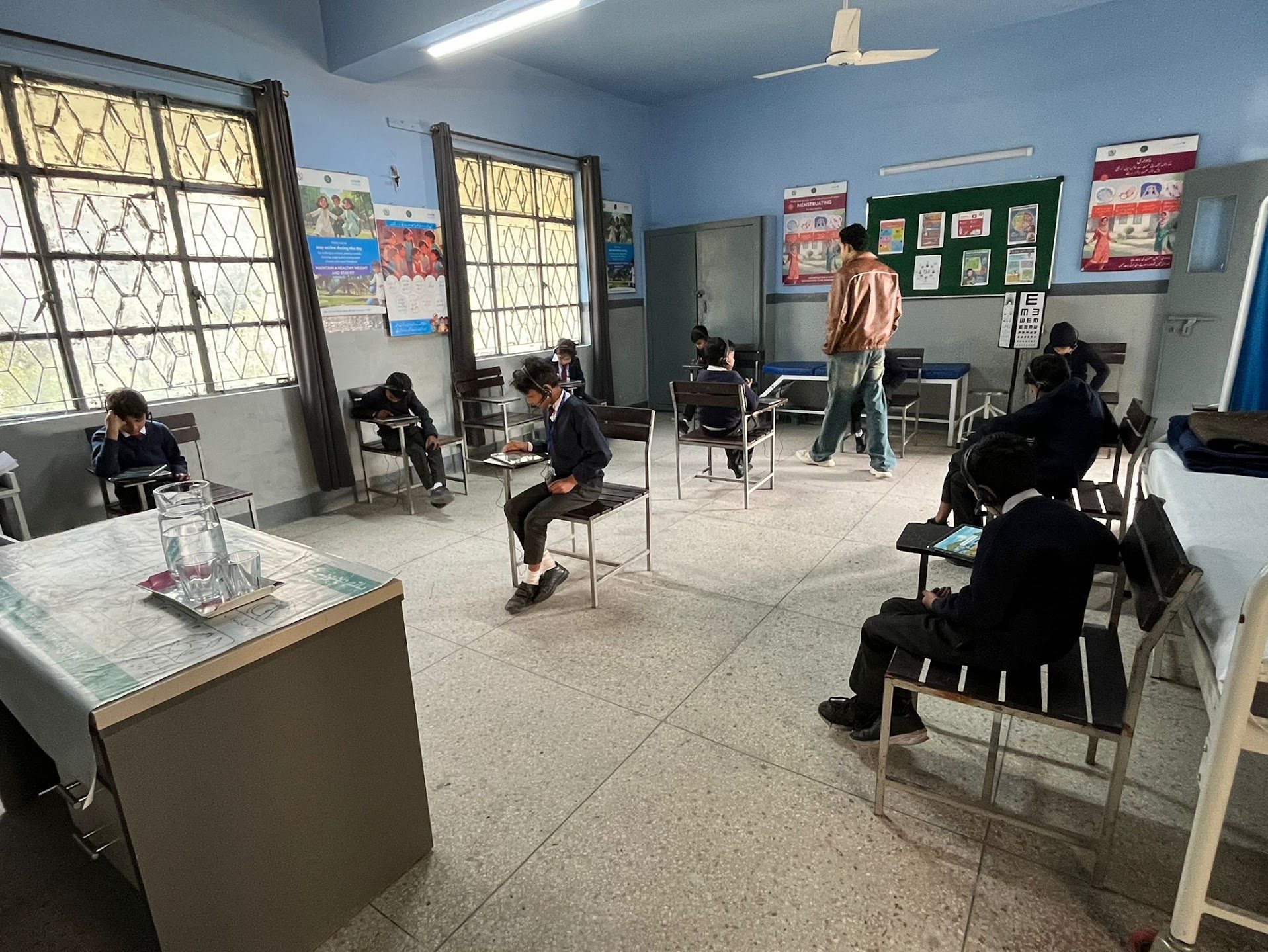
Eighty in a hundred ten-year-olds in Pakistan cannot read a simple text. In South Africa, only about one in five can by nine.
Paper EGRA needs one trained person per child. Results take months. Most apps are tap and drag. Children have to speak the word.
“Using a general speech model for this is like using a hammer to drive in a screw. It’s the wrong tool, built for a much simpler problem.”
Saeed Afshar
Western Sydney University
How it works
See. Say. Hear.
Age 6. Mother tongue. They do it themselves.
 EnglishUrduاردوisiXhosaSepedi
Learn
See. Hear. Say.
See the word. Hear it. Say it.
Behind the app
Collect. Mark. Train. Assess.
Four products. Start at any step.
01
Readup
Collect
The audio
Children speak. Hundreds of thousands of recordings. One facilitator, ten children.
02
Readup
Marking
The labels
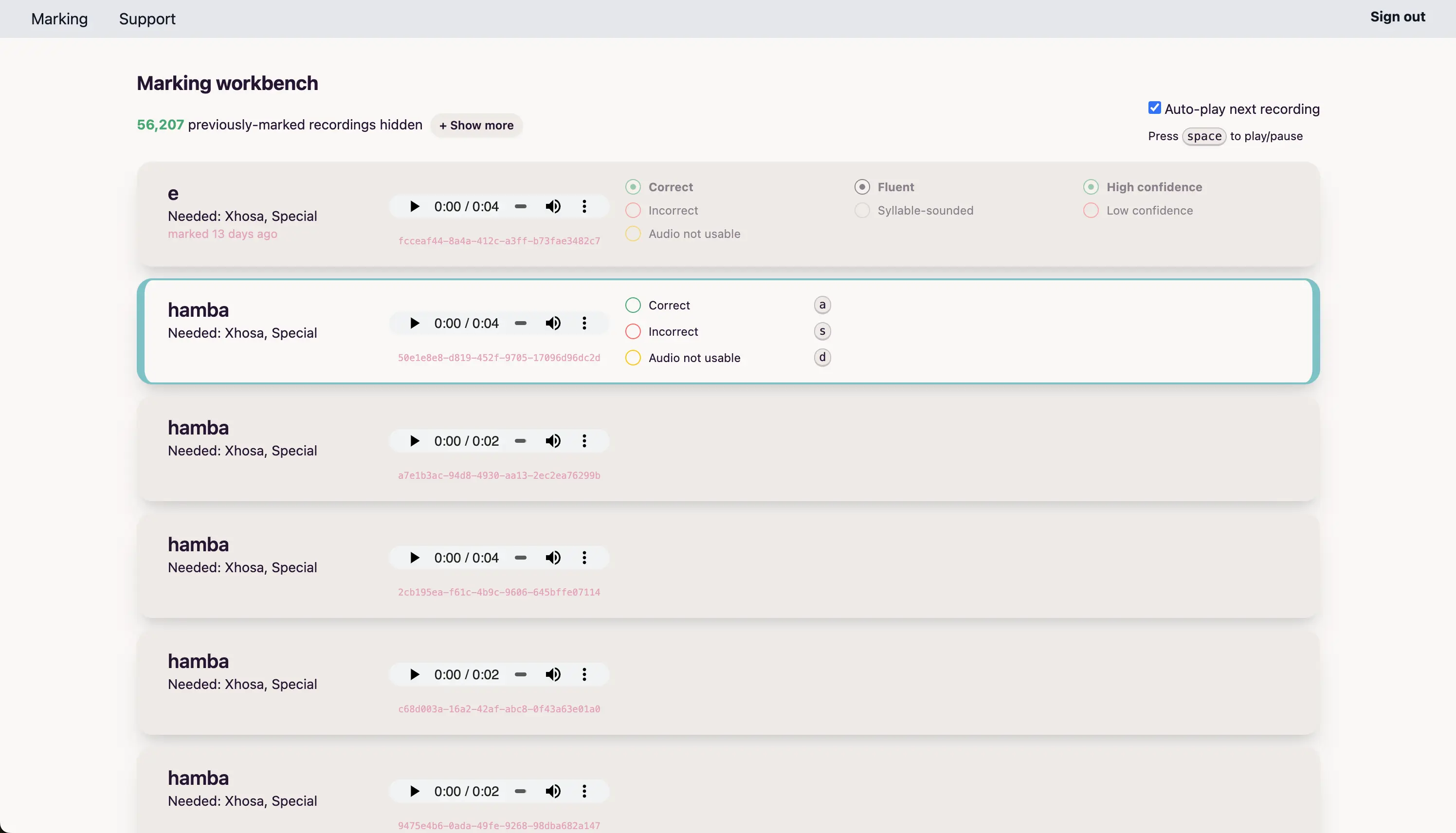
Humans label those recordings. Triple-marked. That labelled data trains the model.
03
Readup
Training
The model
The labels teach a model to catch mistakes. Built for the language and the child's voice.
04
Readup
Assess
The score
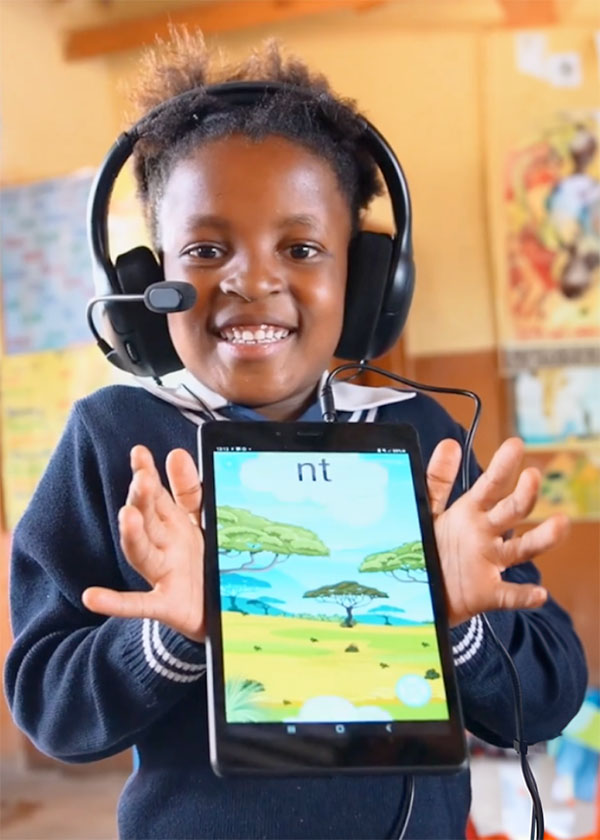
In the field
The tablet in the classroom.
Collect · Assess
See. Say. Hear.
Assess: say it first. Learn: hear it first. Age 6. Mother tongue.
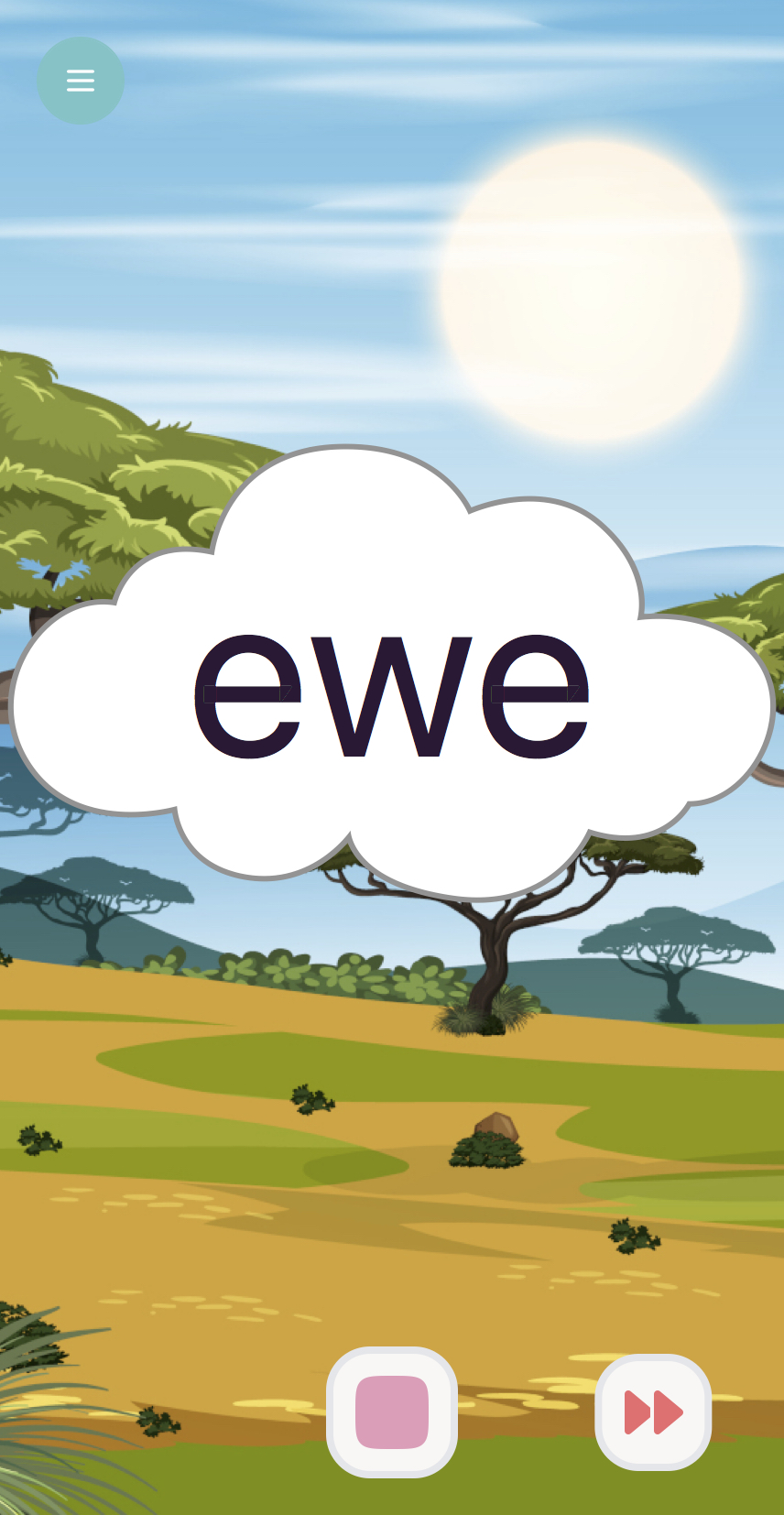
Collect
Works with no signal
Record audio without special equipment. Sync to the cloud when a connection appears.
Training · Assess
The language the child speaks
Models trained for isiXhosa and Sepedi — and English and Urdu in Pakistan.
EnglishUrduاردوisiXhosaSepediisiZulu SwahiliKiswahili
 HausaYorubaYorùbáIgbo
 FrenchFrançais
 AmharicአማርኛOromoAfaan Oromoo
 ShonachiShonaEnglishUrduاردوisiXhosaSepediisiZuluSwahiliKiswahiliHausaYorubaYorùbáIgboFrenchFrançaisAmharicአማርኛOromoAfaan OromooShonachiShonaEnglishUrduاردوisiXhosaSepediisiZuluSwahiliKiswahiliHausaYorubaYorùbáIgboFrenchFrançaisAmharicአማርኛOromoAfaan OromooShonachiShonaEnglishUrduاردوisiXhosaSepediisiZuluSwahiliKiswahiliHausaYorubaYorùbáIgboFrenchFrançaisAmharicአማርኛOromoAfaan OromooShonachiShonaShonachiShonaOromoAfaan OromooAmharicአማርኛFrenchFrançaisIgboYorubaYorùbáHausaSwahiliKiswahiliisiZuluSepediisiXhosaUrduاردوEnglishShonachiShonaOromoAfaan OromooAmharicአማርኛFrenchFrançaisIgboYorubaYorùbáHausaSwahiliKiswahiliisiZuluSepediisiXhosaUrduاردوEnglishShonachiShonaOromoAfaan OromooAmharicአማርኛFrenchFrançaisIgboYorubaYorùbáHausaSwahiliKiswahiliisiZuluSepediisiXhosaUrduاردوEnglishShonachiShonaOromoAfaan OromooAmharicአማርኛFrenchFrançaisIgboYorubaYorùbáHausaSwahiliKiswahiliisiZuluSepediisiXhosaUrduاردوEnglish
Marking · Assess
Humans label the recordings
Mother-tongue markers. Models train on those labels.
In their words
The people who ran it, said it plainly.
“If South Africa can do it, Pakistan can too.”
Alberto Soriano
Ministry point of contact
Pakistan Institute of Education
“If you can measure reading early, cheaply and accurately, you can act in time.”
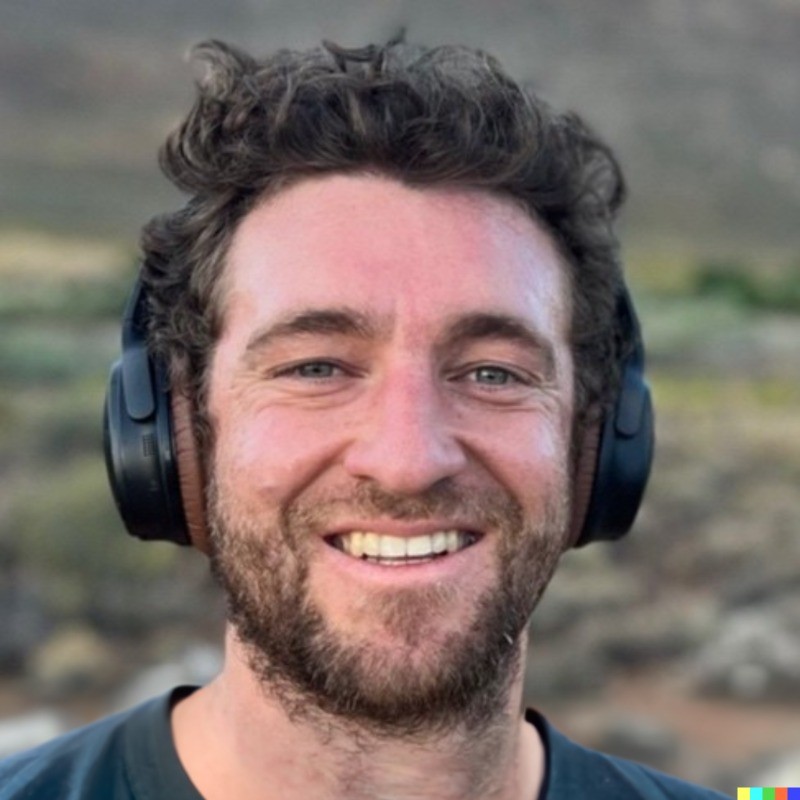
Ben Blaine
Carried the tool from Australia to Pakistan
Neurabuild
“The AI isn’t failing randomly. It’s running into the same ambiguity a human listener would.”
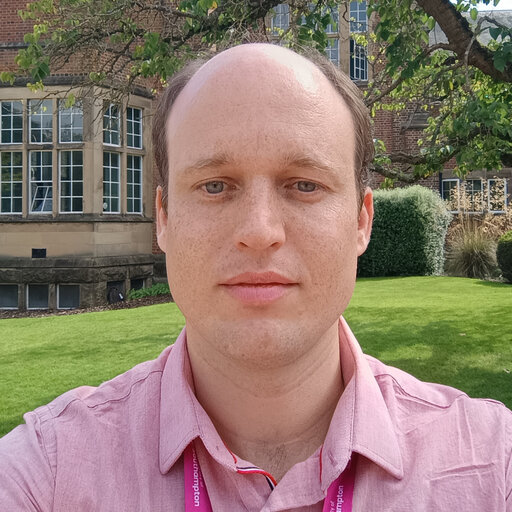
Sergio Chevtchenko
Trains the speech models
Western Sydney University
Case studies
The team that taught a machine to assess children's reading
PakistanSouth AfricaAustralia Featured by EdTech Hub
 South Africa
From one-to-one EGRA to one-to-many
Reliable reading assessments like EGRA give a trustworthy picture of a child's reading — but run one-on-one, they're slow. Readup moved EGRA from one-to-one to one-to-many. In African languages.
isiXhosaSepedi- 4,500+
- Learners assessed
- 240,000+
- Audio recordings collected
- 500,000+
- Human labels created
- 2
- African languages
 United States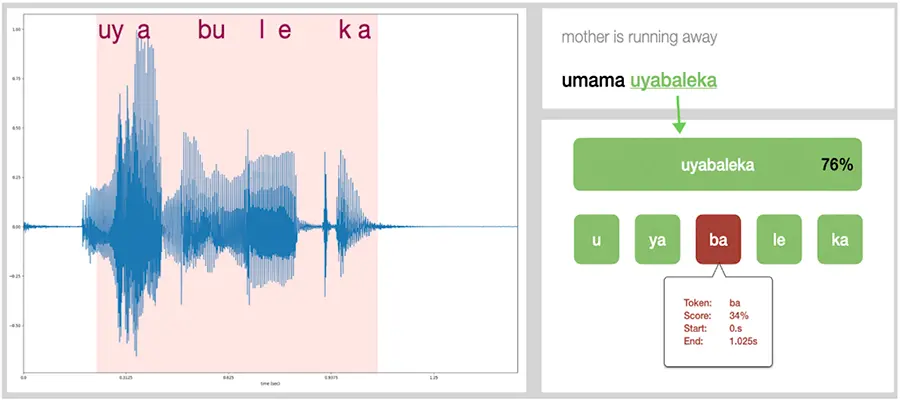
2023 · Field trial
Proving it in the field
In July 2023 the Gates Foundation funded a project led by Dr Cally Ardington of the University of Cape Town to automate EGRA in African languages — EGRA-AI.
The Readup-powered app was deployed by EGRA agents into 120 schools taking part in a field trial with Funda Wande. Over 2,000 learners completed assessments, laying the foundation for the next generation of EGRA-AI.
2024 · Learning by Doing
Expanding to isiXhosa
With a Learning by Doing research grant from AI-for-Education, the EGRA-AI Consortium expanded the work to isiXhosa. Tap-to-speak. Noise detection. Mother-tongue markers labelling in the field.
Across three waves, 148,962 recordings from 2,796 Grade 1–4 learners. Every recording labelled by three independent mother-tongue markers — over 500,000 labels in 2024. Only consensus labels trained the models. Findings published at AIED 2025.
The results
AI marking that matches human markers
One hundred assessments held back from training to test the models. Self-administered EGRA-AI scores validated against traditional one-on-one EGRA — a correlation of 0.84 across 345 learners who completed both.
95%
AI marking accuracy
Item-level accuracy on recordings where all three human markers agreed (91% across all items).
0.99
Correlation with human markers
AI assessment scores explain 98–99% of the variation in human marker scores — with no accuracy difference between boys and girls.
8×
Learners per field worker
One facilitator runs eight self-guided assessments at once — children simply sit with a tablet and headphones.
Published research
AIED 2025isiXhosaAn End-to-End Approach for Child Reading Assessment in the Xhosa Language
Chevtchenko, Navas, Vale, Ubaudi, Lucwaba, Ardington, Afshar, Antoniou & Afshar
A novel dataset of Xhosa child speech — labelled by multiple mother-tongue markers, validated by an independent EGRA reviewer — and three fine-tuned speech models: wav2vec 2.0, HuBERT, and Whisper.
Who built this
The lab, the field, the factory.
Computational architectures and algorithms for vision, memory, and auditory sensing systems.
Project manager and startup founder with a background in tech and enterprise solutions.
Dr Soheil Afshar
Clinical Neuropsychologist
Developmental PaediatricsSupports children with reading, literacy, numeracy, and attention difficulties.
Neuromorphic systems and computational neuroscience, including speech models for reading assessment.
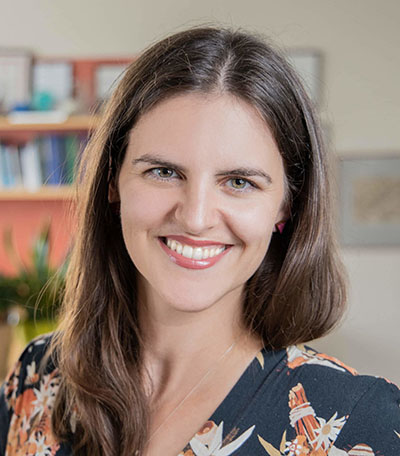
Works with adolescents and adults, specialising in evidence-based therapies.
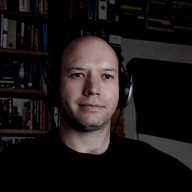
Designs scalable systems behind the Readup platform.
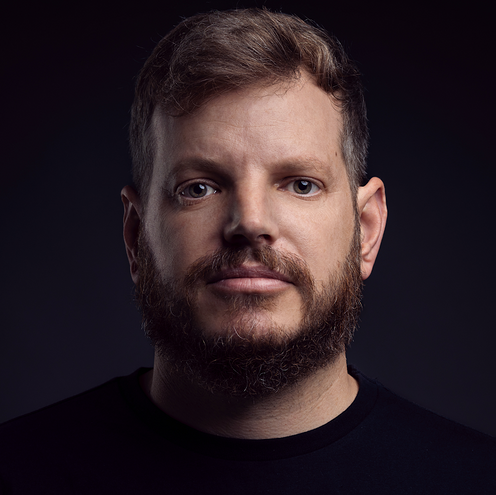
Builds the field app — including overnight patches during data collection.
Speech scientist researching speech perception and language learning across ages.
Work with us
Run your next assessment with us.
Start at Collect if you need the audio. Skip to Assess if a model exists for your language.
Where we work
South AfricaPakistanAustraliaLanguages in the field
EnglishUrduاردوisiXhosaSepedi